
From Pastels to Bold Colors: Baby Product Design Trends for 2026
For decades, baby products have been dominated by soft pastels, light blues, and gentle pinks. But as we look toward 2026, the design language of the baby segment is shifting.…
September 10, 2024
Steady growth in baby care products
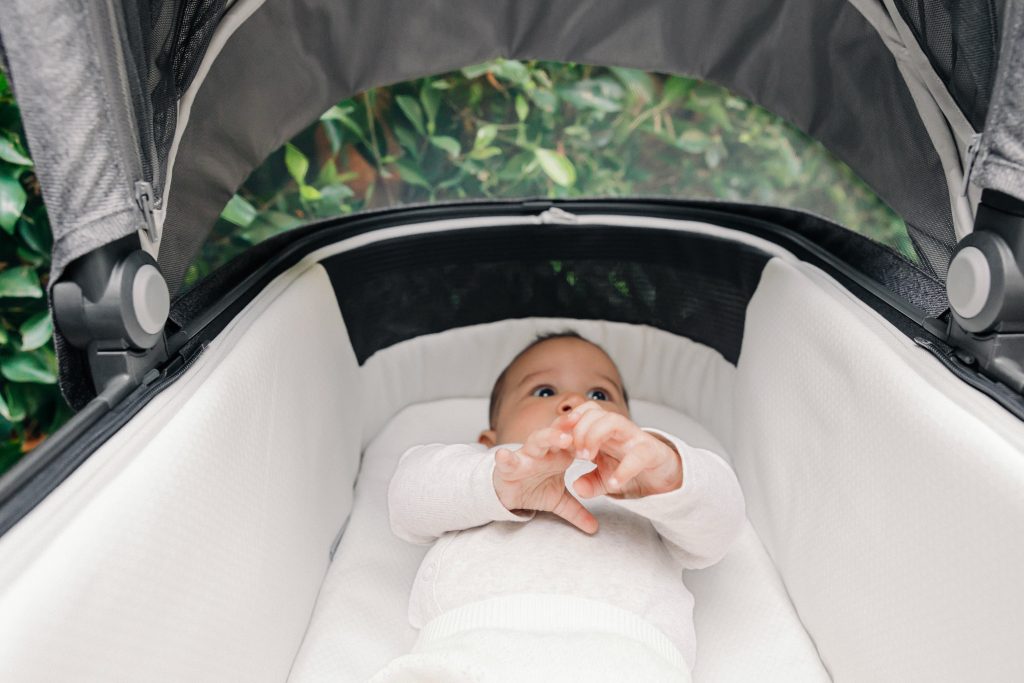
The market for baby toiletries and diapers is growing slowly but steadily. Between 2022 and 2027, the Nordic market is expected to increase by around 2.5 percent per year. This means demand for hygiene products will remain strong, while sustainability and quality will become even more important.
Key focus areas:
Smart diapers and connected baby products are expanding globally. Products that track moisture, sleep, or health are expected to grow rapidly in the coming years. The Nordic markets are known for early adoption of technology, which opens opportunities for new collaborations between distributors, tech startups, and established brands.
Examples of possible innovations:
E-commerce for baby products is growing strongly internationally, and the same trend can be seen in the Nordics. Parents are looking for convenient delivery solutions, subscriptions, and a wide range of online products.
Distributors should focus on:
Nordic parents seek products that combine functionality with aesthetics. Sustainability is no longer a trend but an expectation.
Trends to watch in 2026:
The Nordic population is growing slowly, and the number of children varies between countries. Denmark and Iceland are expected to see increases, while other countries will remain stable or experience a decline in young children. This means distributors must adapt strategies geographically.
In 2026, the Nordic baby industry will be characterized by moderate but steady growth. Sustainability, smart technology, and e-commerce are the three most important drivers. Distributors who want to stay ahead should already now:
Those who act on these opportunities will be well positioned in an increasingly competitive Nordic baby market.
Keep exploring
For decades, baby products have been dominated by soft pastels, light blues, and gentle pinks. But as we look toward 2026, the design language of the baby segment is shifting.…
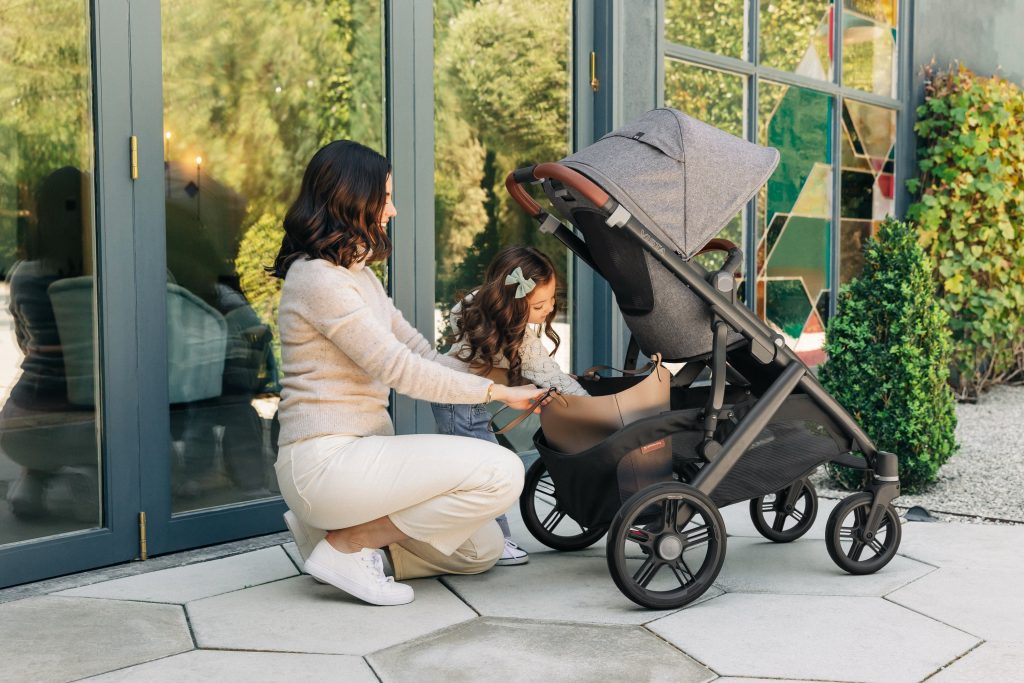
In 2025, IBP took on an exciting challenge: to introduce UPPAbaby, the premium American stroller and baby gear brand, to the Nordic market. Known worldwide for combining smart design with…
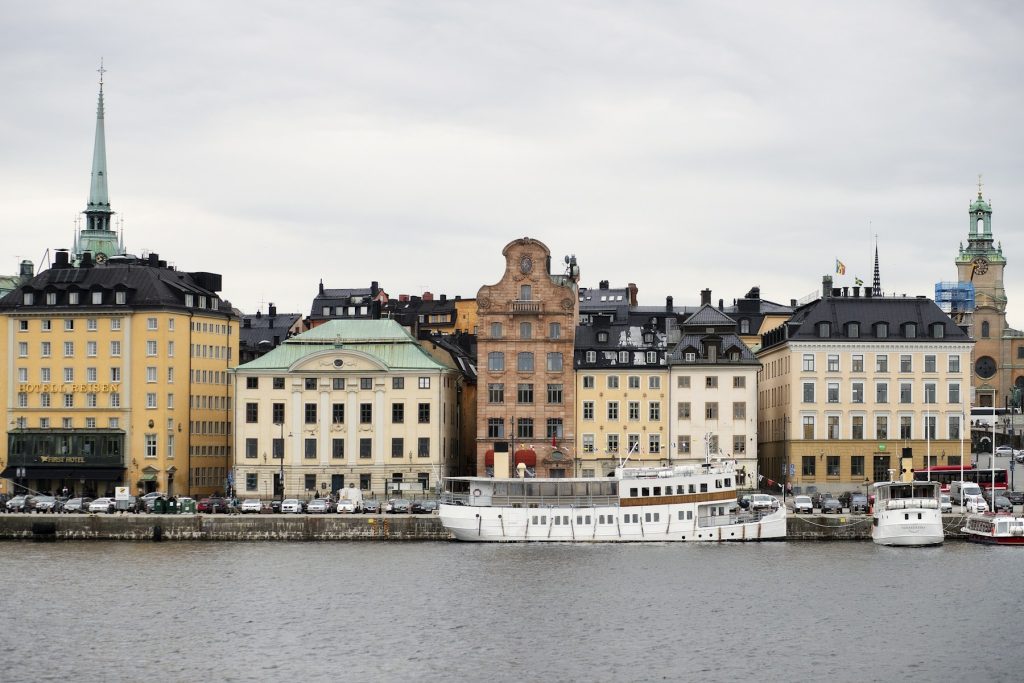
Sweden is evolving quickly in multiple areas. For companies, understanding what Swedes care about—economically, socially, environmentally—is essential to staying relevant. Below are several trends shaping Sweden in 2025-2026. Inflation &…
Interested in
partnering with us?
